Vincent and Richard welcome you year-round to Domaine de la Bélonie.
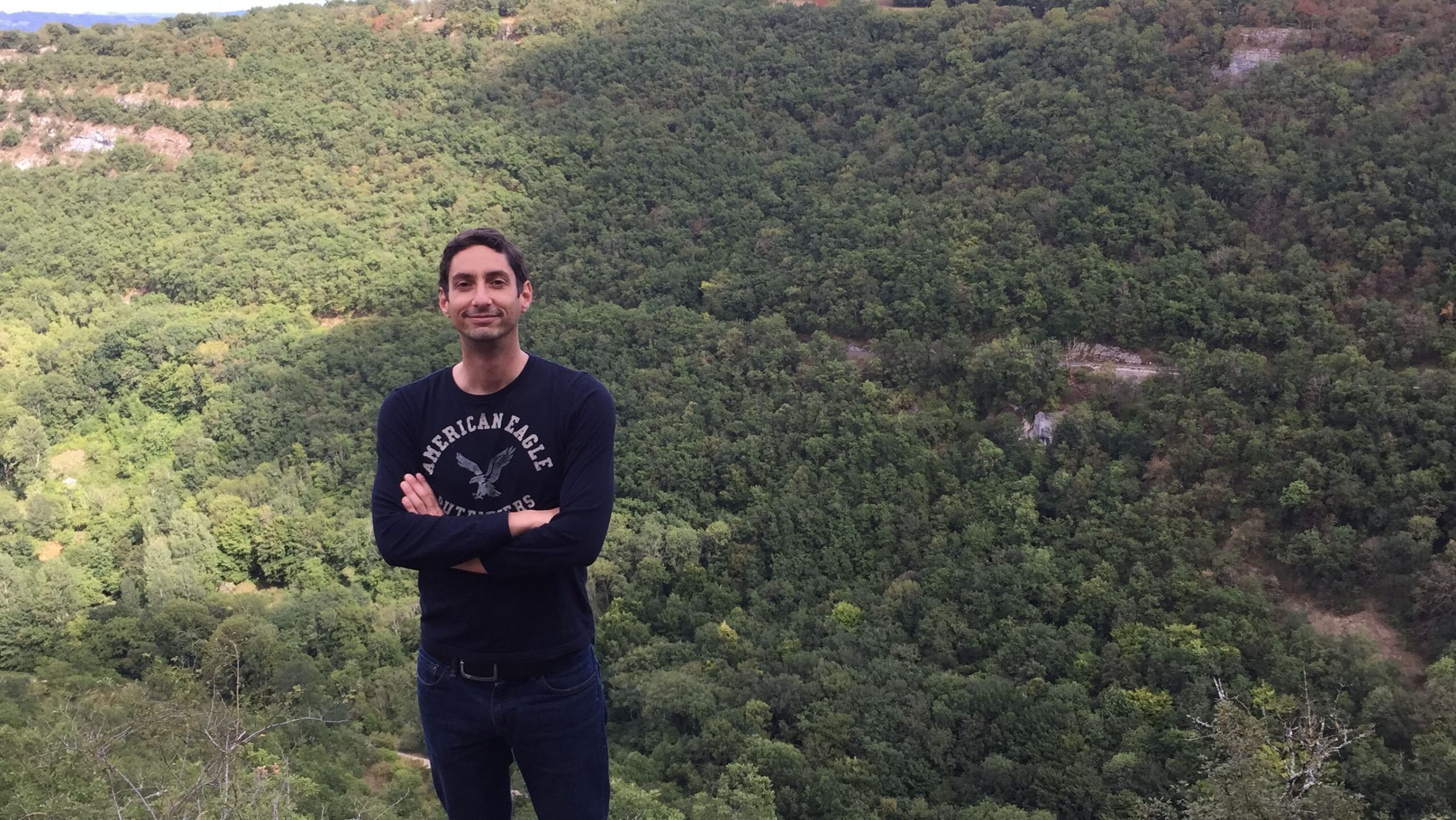
Vincent, the owner, is an environmental engineer, while his father, Richard, is a retired farmer. Vincent will share the history of the estate and the stages of its restoration, offering insights into its transformation.
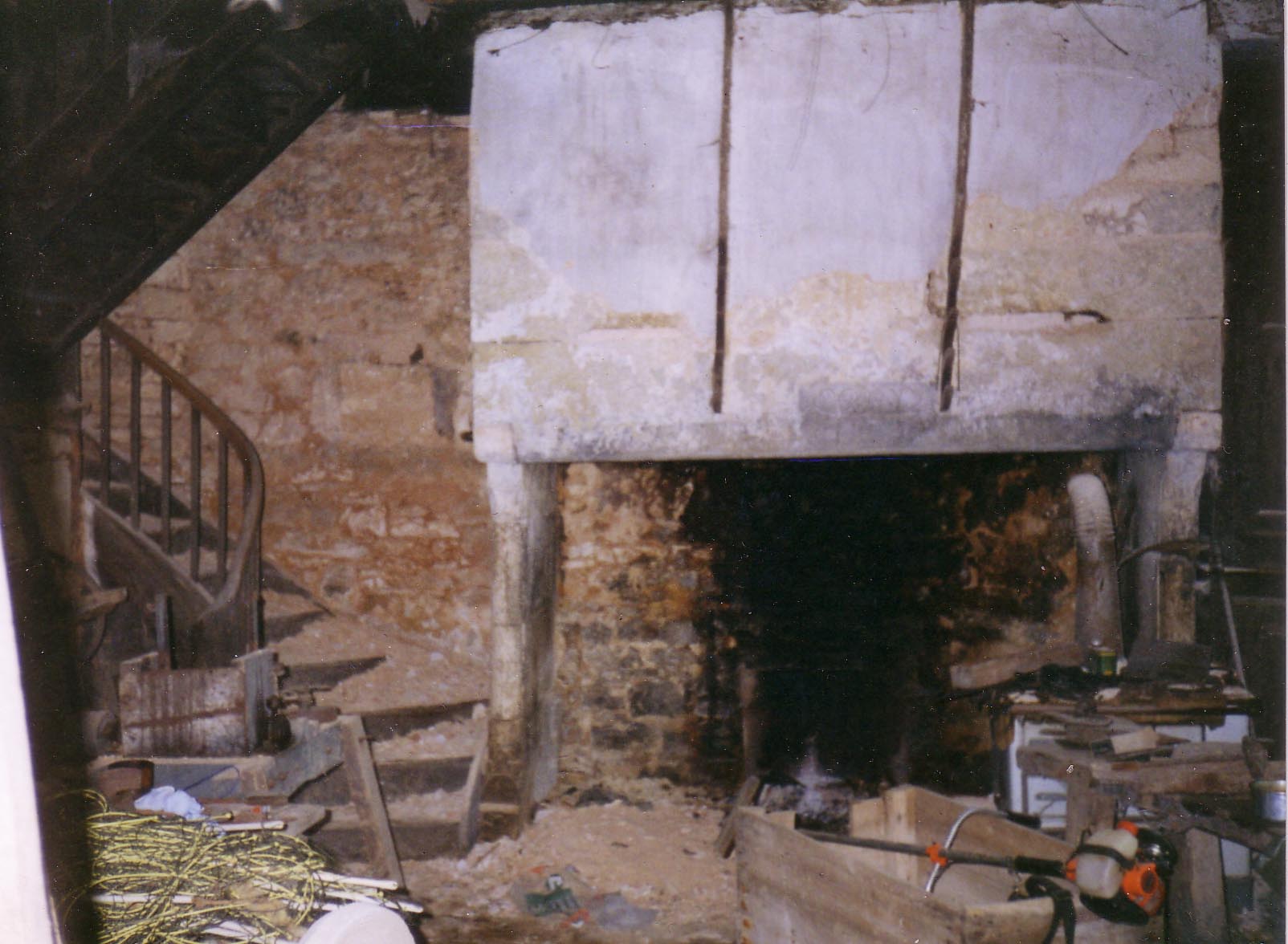
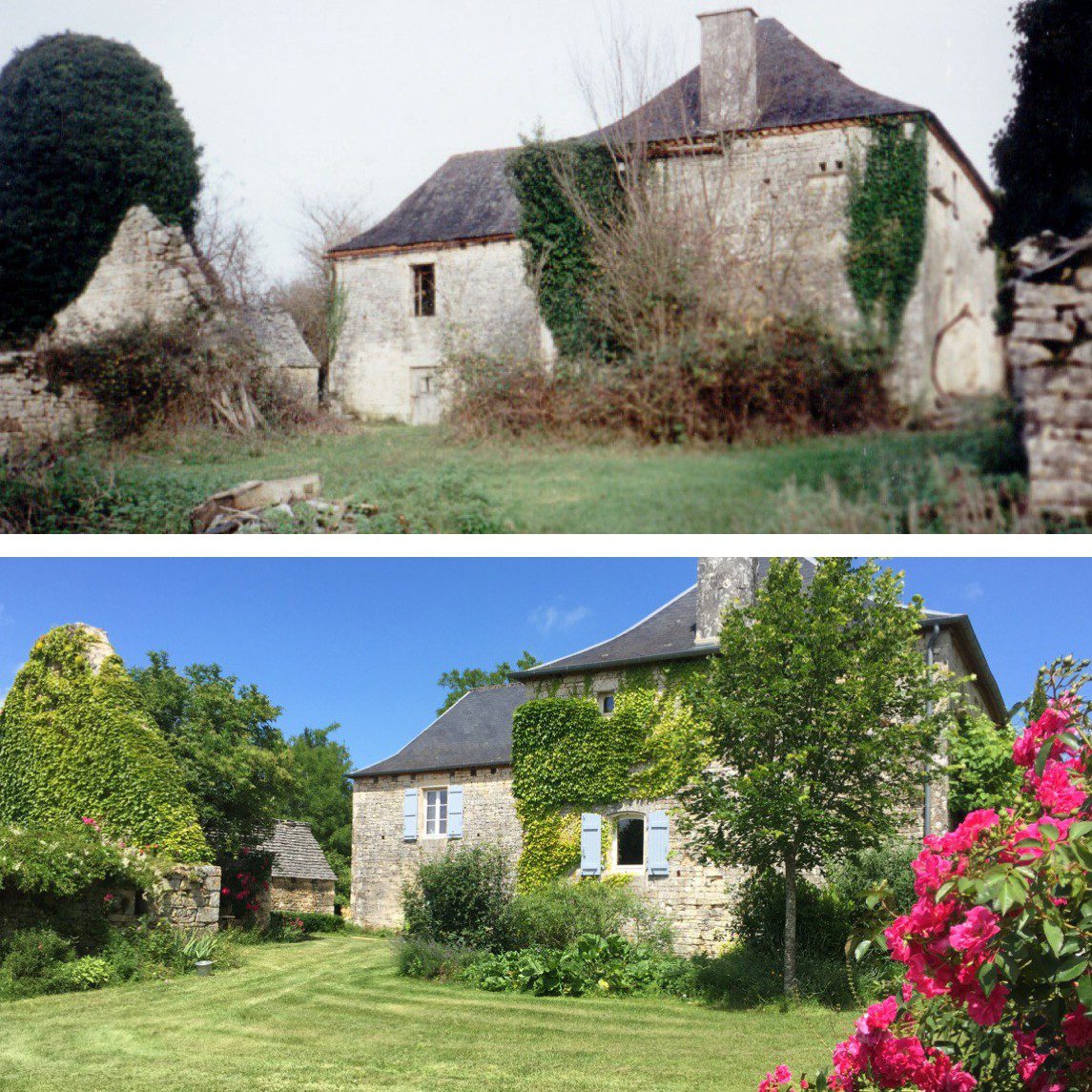
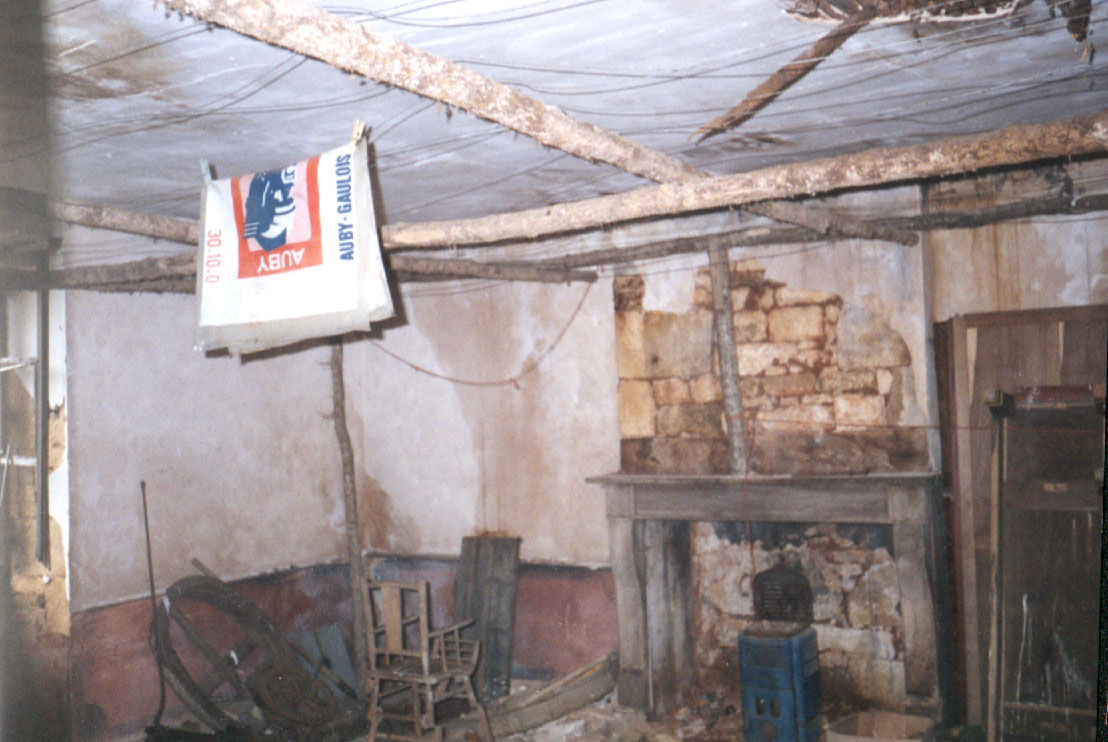
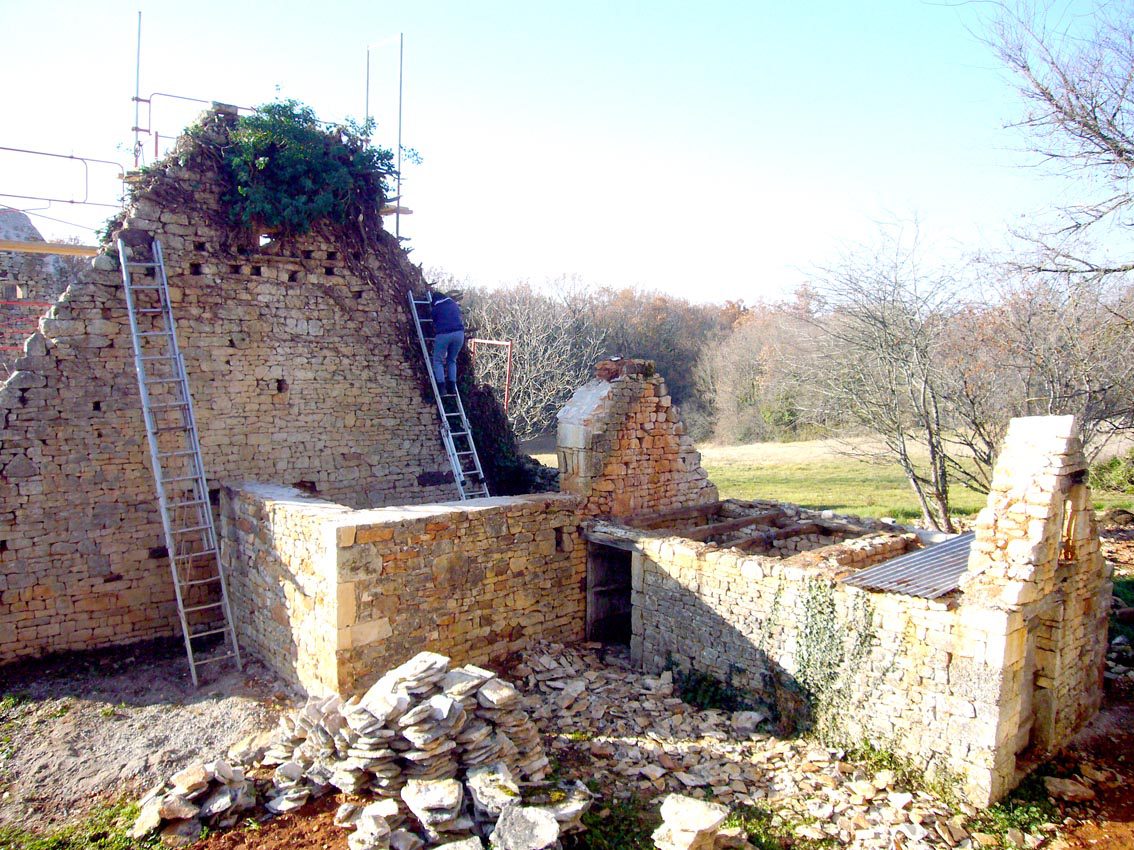
Until 2009, Domaine de la Bélonie was in complete ruin. The property originally belonged to my grandparents, then to my father, who lived on a nearby farm. The house was used as an agricultural shed, and the park served as pasture for sheep.
Restoring this estate was my childhood dream. It was an incredible playground when I was young. This dream inspired and motivated me to pursue my studies, aiming for a career that would allow me to undertake this monumental restoration project.
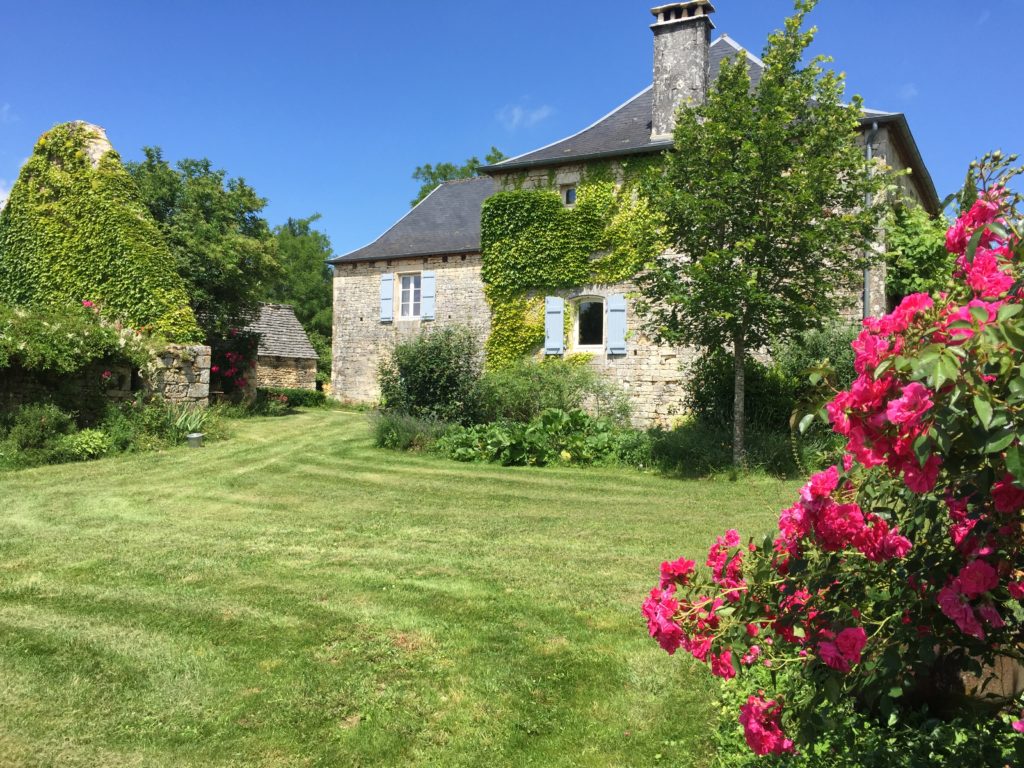
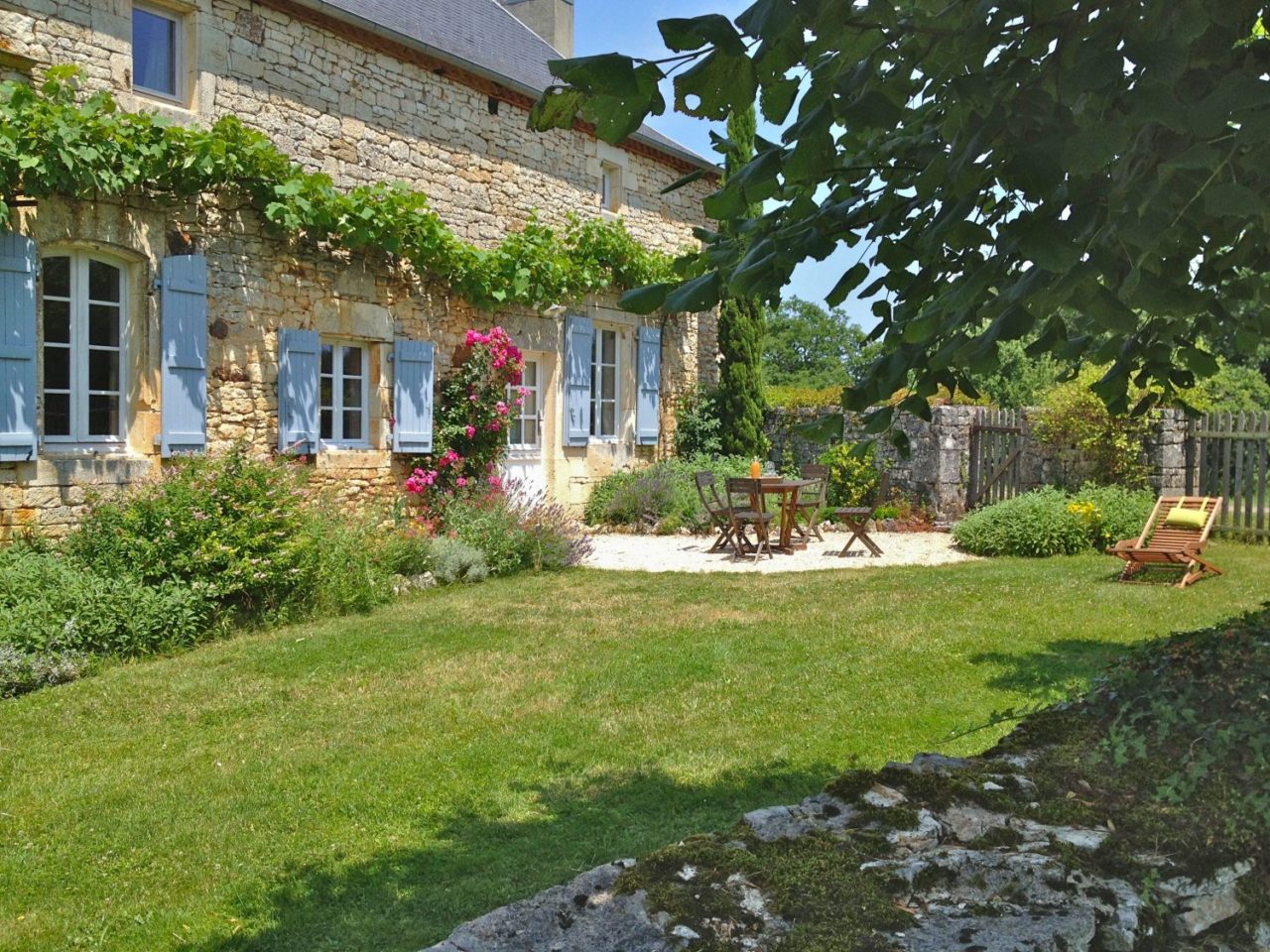
The house was built around 1650, during the reign of Louis XIV. At that time, the province was relatively poor and had not yet become part of the Kingdom of France. The estate belonged to the Viscounty of Turenne and was designed as a fortified house, with very narrow defensive openings, traces of which are still visible on the facade.
The house has undergone several expansions and modifications over the centuries.
In 1721, six years after Louis XV’s accession, the large fireplace, known as “le cantou”, was installed with its monumental stone, replacing a smaller fireplace in what was then the only room in the house. During this period, the family cultivated vineyards, walnuts, and truffles, while raising livestock such as pigs, chickens, sheep, and cows.
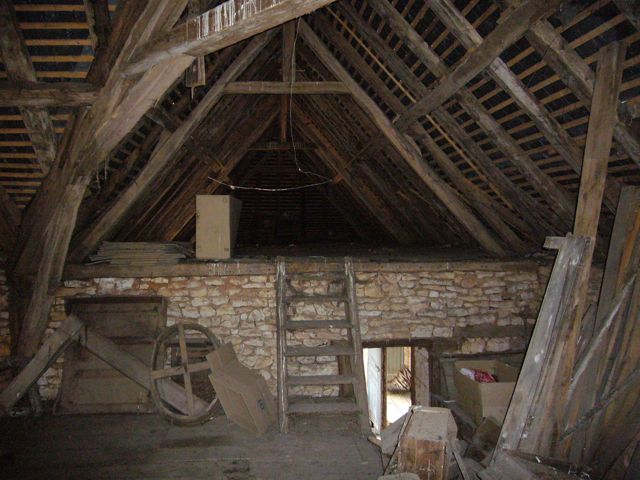
In 1778, just before the French Revolution, and two years after the United States proclaimed independence, the Duverger family, then owners of the farm, raised the building by one meter to create a large agricultural storage attic. The house was expanded westward, and a second fireplace was added.
In 1839, a new wing was built across three levels, adding a cellar, two large bedrooms, and a second attic. The family’s wealth had grown, thanks to the cultivation of truffles and vineyards. By this time, Louis-Philippe had been King of France for nine years, marking an era famously depicted in Jacquou le Croquant.
At that time, the main room was divided into four sections: the kitchen around the cantou, where staff were busy preparing meals, two smaller rooms, and a salon featuring a typically neoclassical fireplace. The Périgord region was relatively prosperous during this period.
By the late 19th century, phylloxera devastated the vineyards, plunging the region into hardship and obscurity. From the 1950s onward, the house was repurposed as an agricultural building, specifically serving as a tobacco drying facility.
Electricity only arrived in the 1950s, followed by running water in the early 1970s, and telephone service in 1976!
It was only in the late 1970s that the region, long untouched by the Industrial Revolution, was rediscovered and began to open up to tourism, thanks to its natural treasures, such as Padirac, the Dordogne Valley, and its beautifully preserved medieval villages.
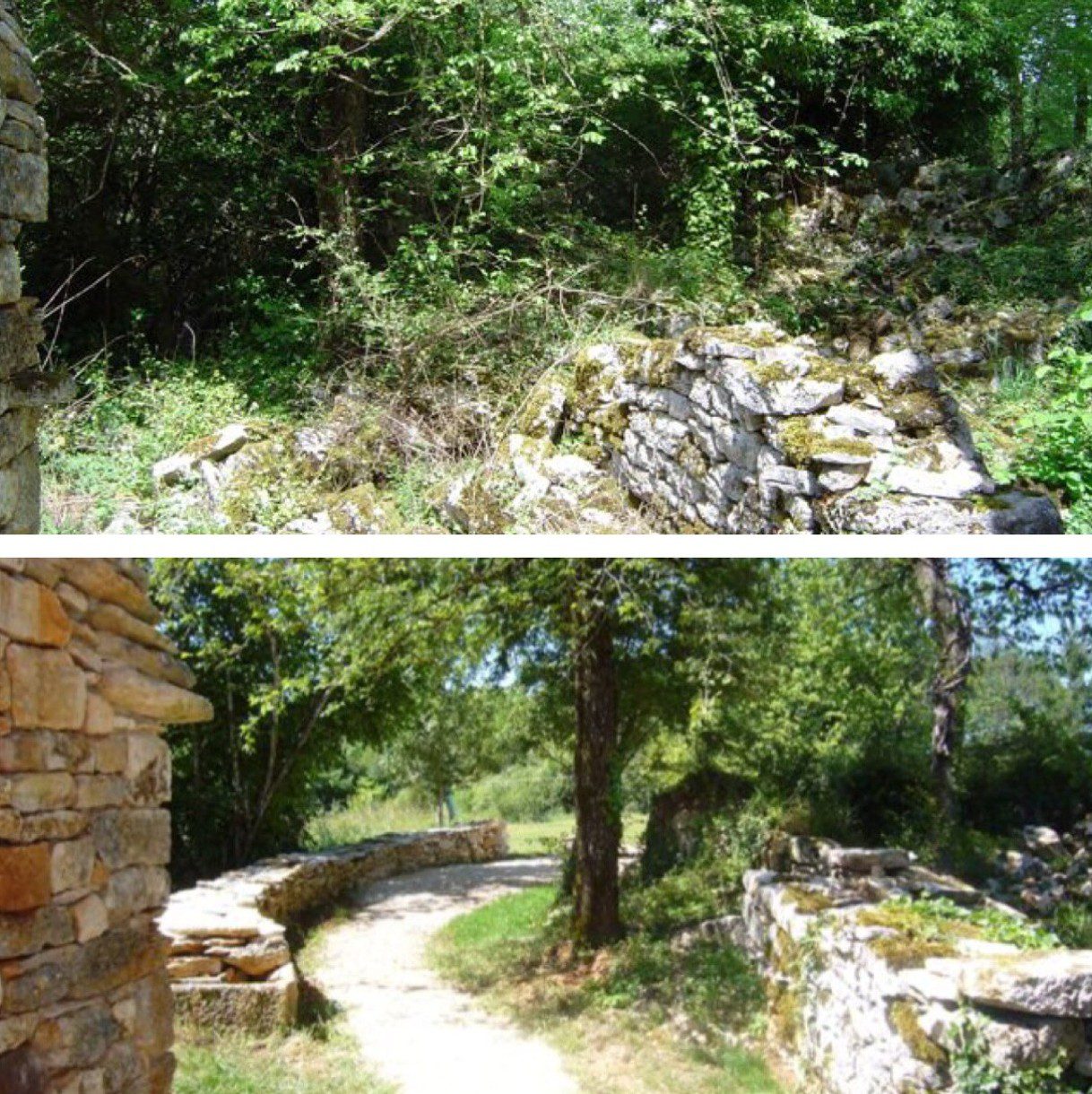
I began landscaping the park and clearing out the house at the age of 15, gradually shaping my vision. Over the years, I refined the project, and by the time I reached 30, I was finally able to begin the restoration work in earnest.
Vincent Malard
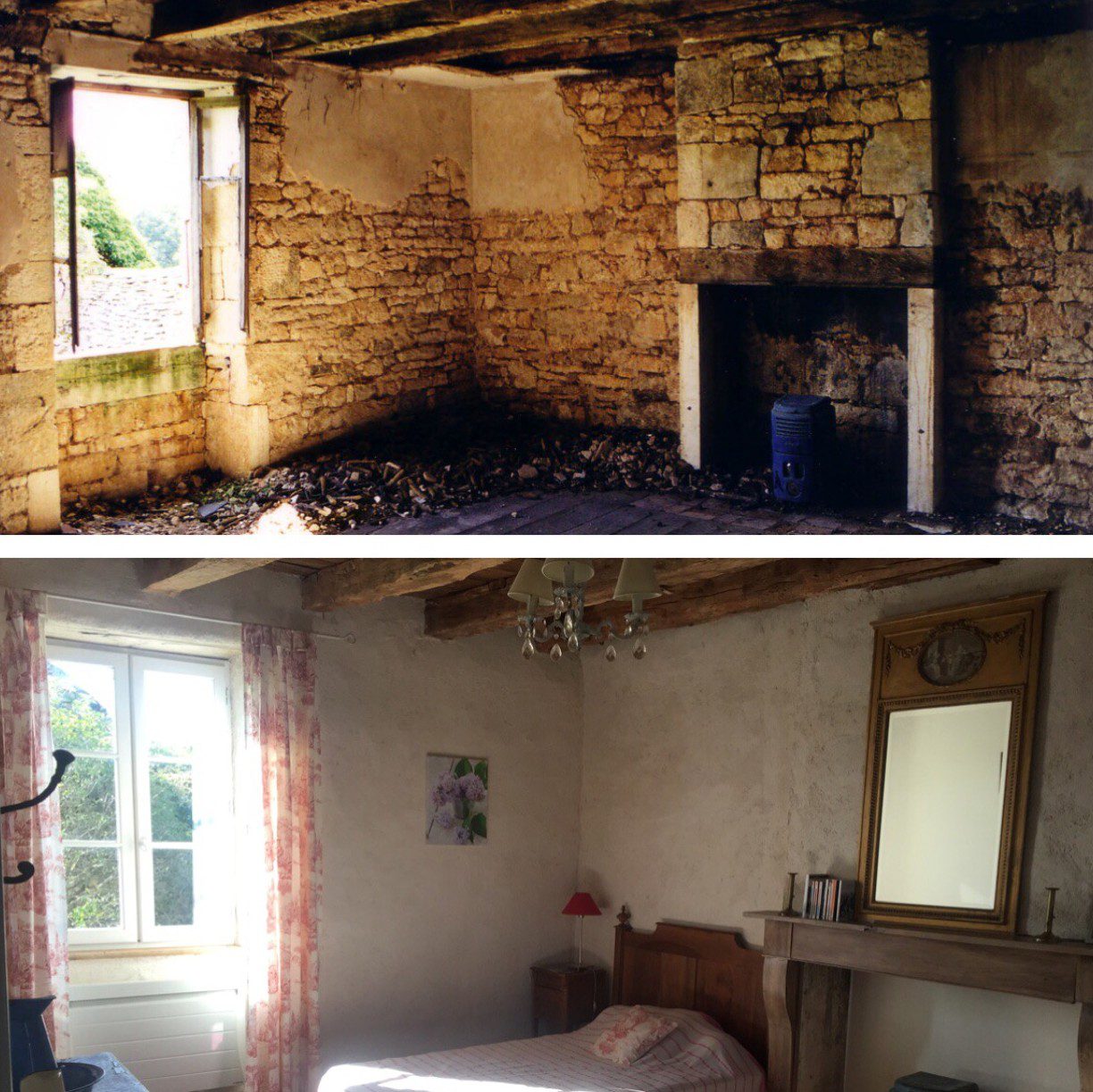
The restoration of the house and its outbuildings took three years. Throughout that time, I dedicated all my vacations and countless weekends to the project. Finally, in 2009, the guesthouse opened its doors.
My parents, who have helped me immensely with this project, take great care of the guesthouse on a daily basis. My father lives on the nearby farm and focuses on gardening and welcoming guests. My mother, who lives thirty kilometers away, takes care of the cleaning and laundry (you might notice the rather traditional division of tasks!). I handle the additional restoration work and promotion of the accommodation, including the website and social media.
Alongside this activity, I have spent several years working to improve the living environment and sustainability in Seine-Saint-Denis and Paris. It is a demanding profession, and I divide my time between the Lot and the Paris region.
This guesthouse is like our little family business!
My grandparents purchased Domaine de la Bélonie in 1950 to expand their land holdings, though the house was already in ruins at that time.
Vincent Malard
My father gifted me the estate in 2006, when he ceased his farming operations.
Lacking sufficient financial means to restore the property, I needed to find a sustainable economic model.
Through discussions with friends and online research, I became convinced that a guesthouse model would be a viable way to generate income, at least enough to partially cover loan repayments and operating costs.
While running a gîte does not generate profit, it allows me to preserve and bring life to a rural and family heritage that I deeply cherish.
Vincent Malard
I received support from numerous organizations, all of whom I am grateful for.
Vincent Malard
The Gîtes de France Lot helped me define the project, provided valuable advice, and enabled me to secure a €30,000 grant from the Midi-Pyrénées region.
The Lot Departmental Council supported the restoration of the lauze roof of a small barn, contributing a €7,000 grant. In total, the restoration of the estate cost nearly €300,000.
The Fondation du Patrimoine supported me in the restoration of the barns, playing an essential role in preserving this historic estate.
Maisons Paysannes de France and the Lot Council of Architecture, Urbanism, and Environment (CAUE) provided me with numerous invaluable recommendations throughout the project. Their expertise helped ensure that the traditional architecture was preserved while avoiding irreversible mistakes.
My architect played a crucial role in coordinating highly skilled craftsmen and successfully bringing the project to life.
The budget was finalized through a combination of personal savings and a loan.
My parents contributed immensely to many aspects of the work (painting, jointing, landscaping the garden, decorating, furnishing) and I want to warmly thank them for their invaluable help.
The principle was to renovate the building in an ecological and ethical way: working with local artisans using a maximum of local materials (wood, lime, hemp), recycling construction waste, ensuring high-quality insulation with cellulose wadding (recycled paper) and hemp, and installing economical heating…
My work has led me to focus daily on sustainable development and the protection of the environment. I have implemented various sustainable practices in the estate’s garden, such as avoiding pesticides, mulching shrubs to conserve water, recycling grass clippings, planting organic fruit trees, composting food and garden waste, and delaying mowing to support biodiversity.
Passionate about gardening and the environment, I strive to share this joy with my guests by creating a pleasant and welcoming setting for them to enjoy.
It is truly a joy to introduce guests to our region, share this family-led ecological restoration project, and pass on values of environmental respect and sustainability.
Some guests return year after year, and it’s wonderful to see that they consider this place as their country home. Engaging in conversations with travelers from Belgium, Germany, Spain, the United States, and all across France is truly enriching and fascinating.