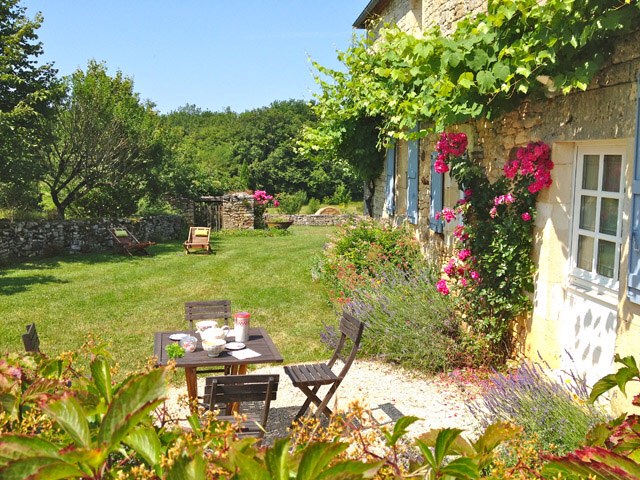
The restoration of this guesthouse has been guided by a deep commitment to preserving both the environment and the well-being of its occupants.
The ecological challenges we face today call for action to safeguard the world for future generations. Tourism, too, must embrace sustainable development and contribute to the protection of our natural and cultural heritage.
That’s why we are committed to the principles of ecotourism and sustainable tourism, ensuring:
To ensure a restoration that respects both nature and local architectural traditions, the project was developed with guidance from Gîtes de France, the Maisons Paysannes du Lot association, the CAUE du Lot (Architecture, Urbanism, and Environment Council), and overseen by architect Madame Salamagne.
For the restoration, healthy, natural materials, mostly sourced locally, were used. During construction, waste was minimized, sorted, and repurposed.
To preserve the rural heritage, the building’s exterior remains unchanged. Most of the structure is south-facing to maximize natural light, while few openings to the north help protect against winter cold.
The paints used are free of toxic solvents and all hold the European eco-label for environmental safety.
The attic is insulated with 40 cm of cellulose wadding, a highly effective insulation material made from recycled paper and fabric. Unlike traditional fiberglass or rock wool, this insulation remains stable over time, making it an exceptionally durable and sustainable choice. Additionally, soundproofing insulation has been incorporated into all partitions for enhanced comfort.
The floors are made of local chestnut wood, a traditionally used material that requires no treatment due to its high tannin content. Meanwhile, the wooden framework has been treated with boron salt, which is completely harmless to health.
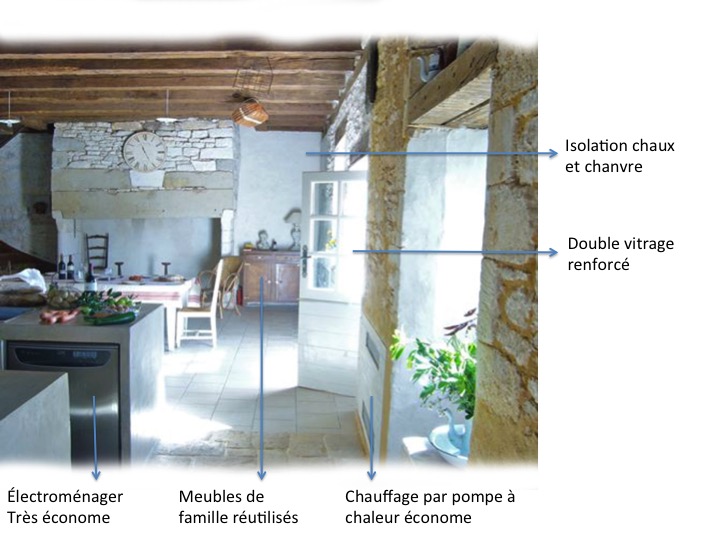

The doors and windows are made of certified wood and feature high-performance thermal double glazing, ensuring optimal insulation and energy efficiency.
The stone walls (80 cm thick, composed of stone, earth, and lime) provide excellent thermal inertia. Those located to the north and east (the coldest sides) are covered with a Dordogne hemp and lime mixture, which enhances insulation and improves air quality.
The furniture has been repurposed from family attics and antique markets, giving it a second life while preserving its charm and authenticity.
The appliances have been carefully selected to minimize environmental impact, ensuring: low energy consumption (rated A to A+++); repairability, extending their lifespan; use of recycled plastics; French manufacturing, supporting local industry.
Heating is provided by a heat pump, the most economical and efficient system for the house’s large volumes and high ceilings. Each room’s temperature can be adjusted individually for optimal comfort.
Additionally, a traditional open fireplace and a high-efficiency, next-generation wood pellet stove are available for cozy warmth.
Guests are encouraged to sort their waste, including: compost, which is reused in the garden; all packaging materials; glass; residual household waste.
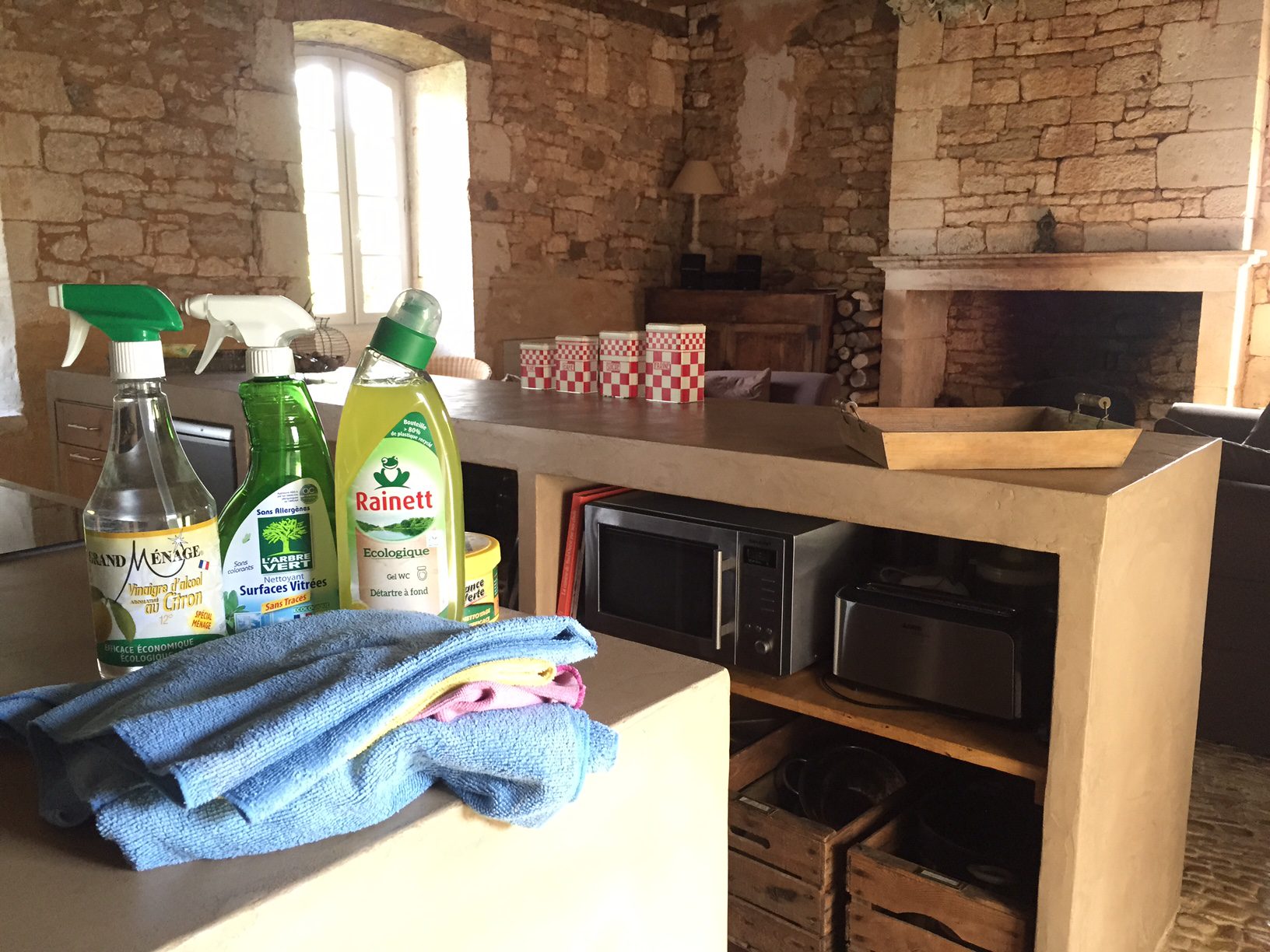
All available products are organic, including oil, vinegar, sugar, coffee, and spices. Cleaning supplies are natural (such as vinegar-based products) or certified with the European eco-label, and most are purchased in eco-refill formats. Even the toilet paper carries a European eco-label, ensuring sustainability.
All faucets are fitted with aerators to reduce water consumption, and the three toilets are equipped with dual-flush systems for better efficiency.
The electricity used comes 100% from renewable sources, ensuring an eco-friendly energy supply. Additionally, LED lighting has been installed for its low energy consumption and long lifespan.
At the guesthouse, you are invited to engage in sustainable tourism, including nature-based activities and exploring local organic producers.
Compost made from kitchen waste and ashes from the fireplaces is used to enrich the garden’s soil, ensuring natural nourishment.
No chemical products are used in the garden. Instead, only homemade nettle slurry, Bordeaux mixture (copper-based, used in case of plant diseases), and a natural boxwood treatment are applied, keeping the ecosystem healthy and thriving.
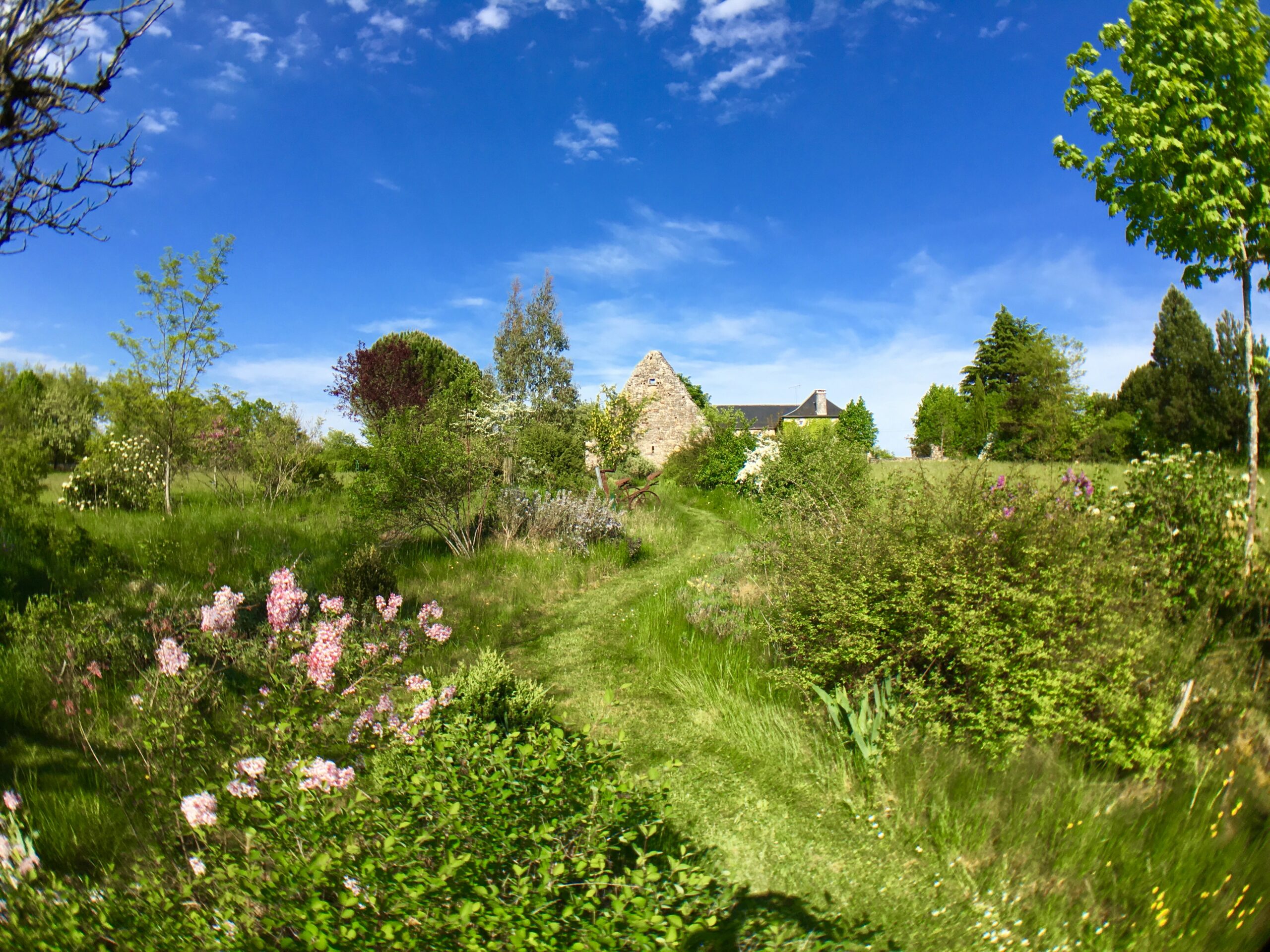
The plant species selected are well-adapted to the terrain and drought conditions, so the garden is only watered in cases of extreme dryness.
All shrubs are mulched using either straw or wood chips from pruned branches within the garden, helping to reduce weeds and minimize water evaporation.
The garden furniture is made of solid wood sourced from certified forests.
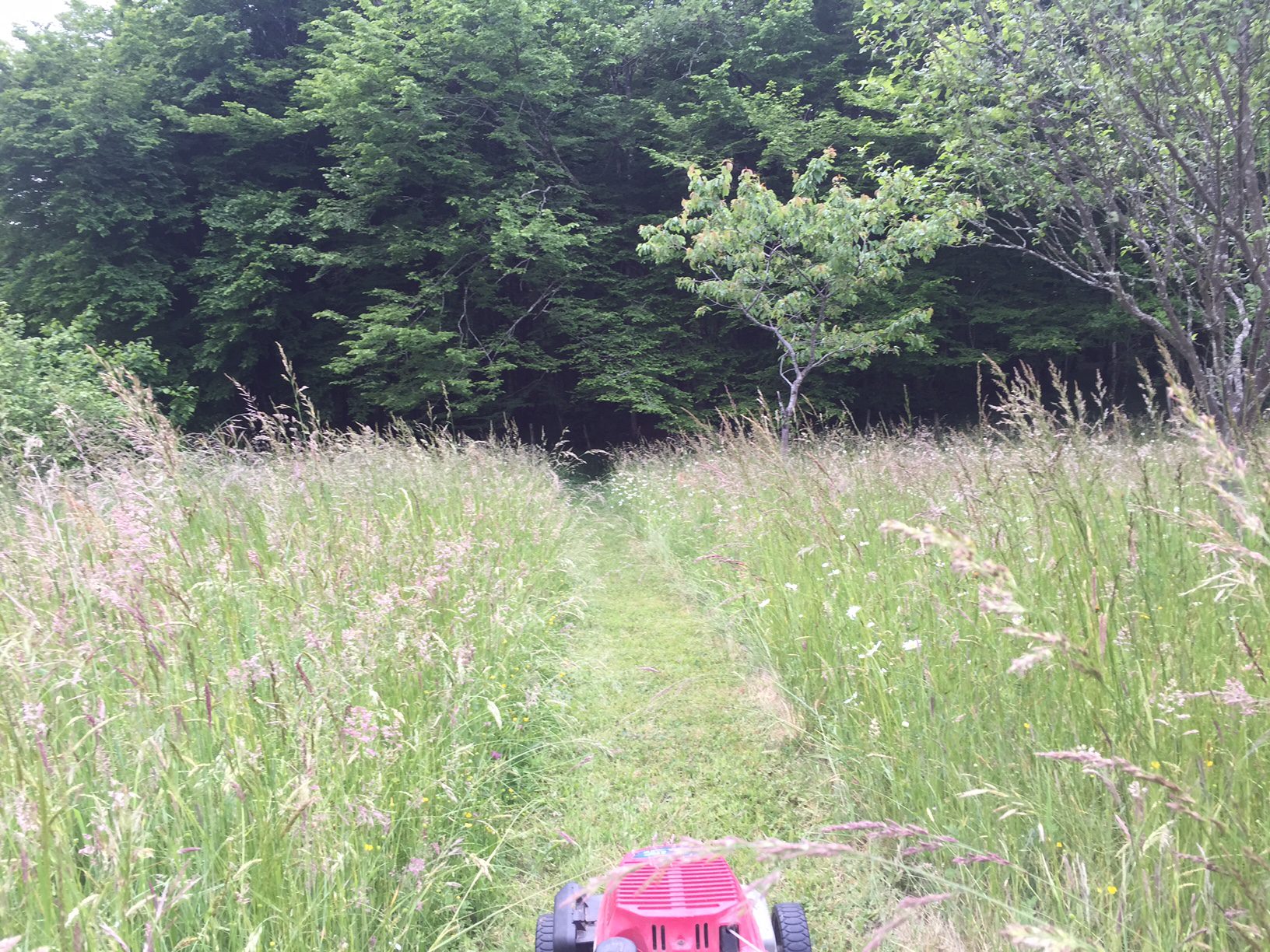
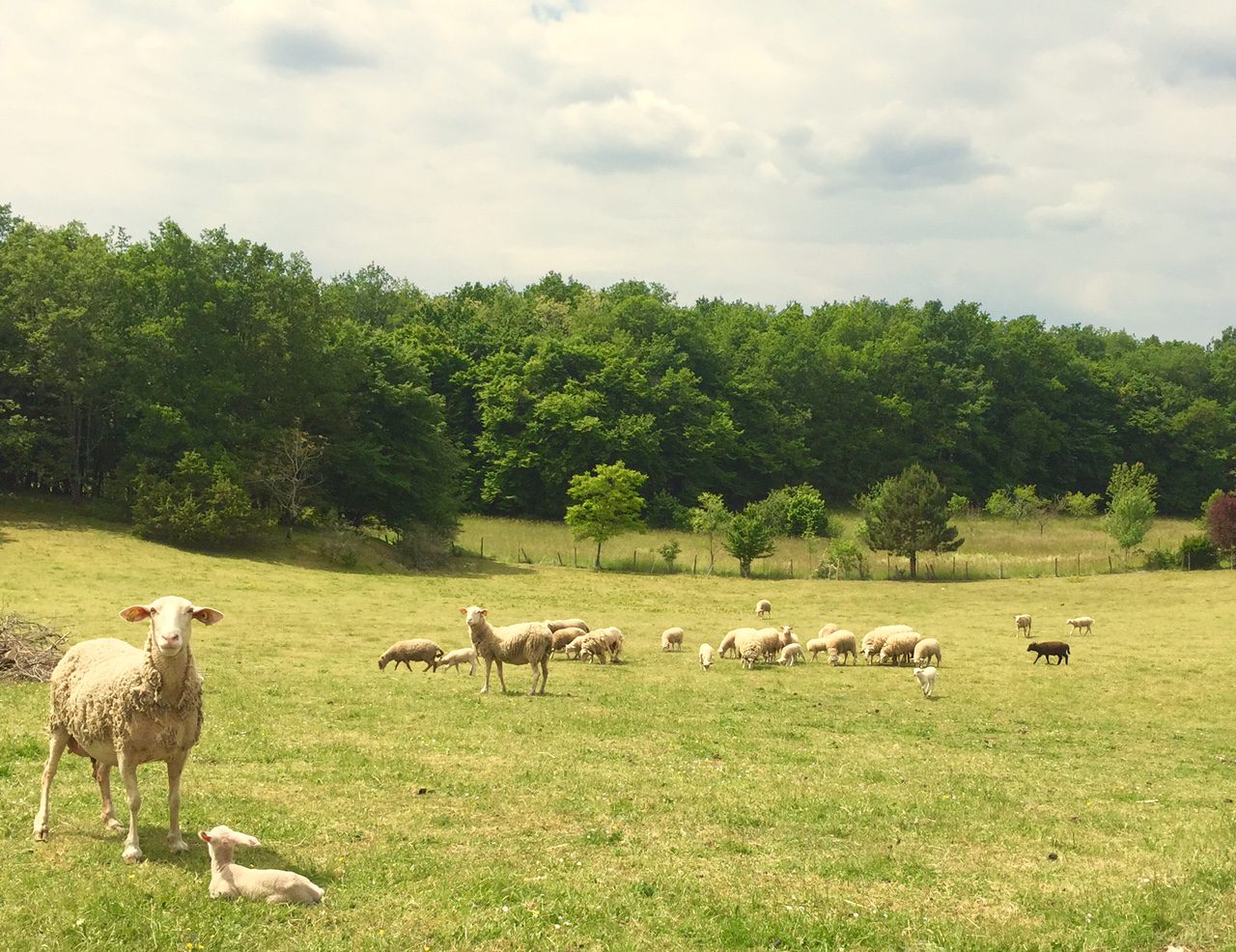
The meadows are mowed only once a year, and late in the season, allowing microfauna and flora to reproduce and flourish naturally. The immediate surroundings are trimmed weekly using a mulching mower, which finely shreds the grass and transforms it into fertilizer on-site. Additionally, sheep help maintain parts of the park and woodland.
Insect and hedgehog shelters have been installed throughout the park.